







Personal Cooling Garment Guide for Mine Workers: Technology Safeguards Safety, Coolness Enhances Efficiency
Mining is one of the most physically demanding and dangerous industries, with workers often enduring extreme temperatures, high humidity, and poorly ventilated working environments. Prolonged exposure to these harsh conditions not only reduces productivity, but also poses serious health risks, including heat stress, dehydration, and heat stroke. To meet these challenges, advanced personal cooling suits have emerged as a breakthrough solution that combines cutting-edge technology with ergonomic design to ensure worker safety and operational efficiency.
The Science Behind Cooling Suit
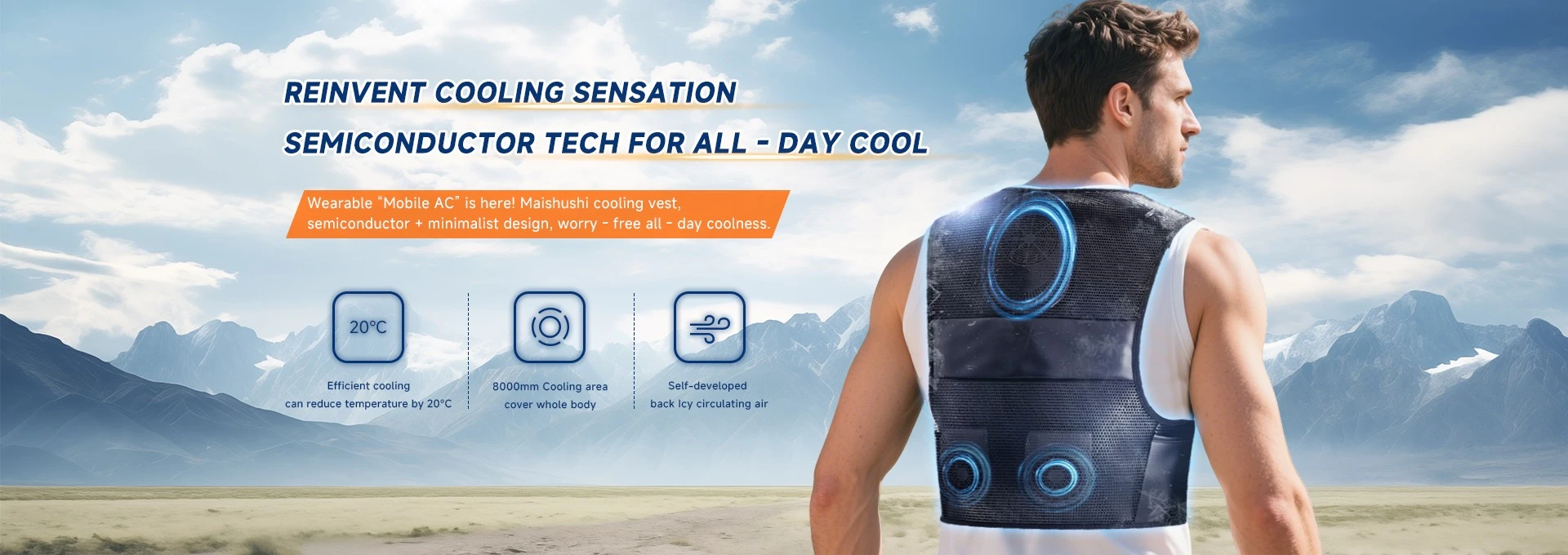
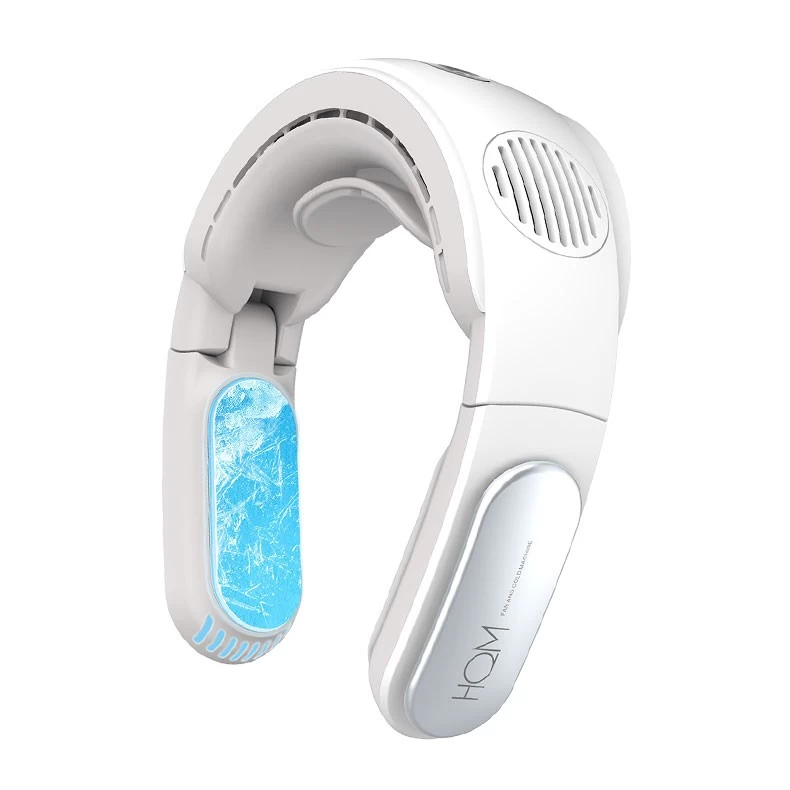
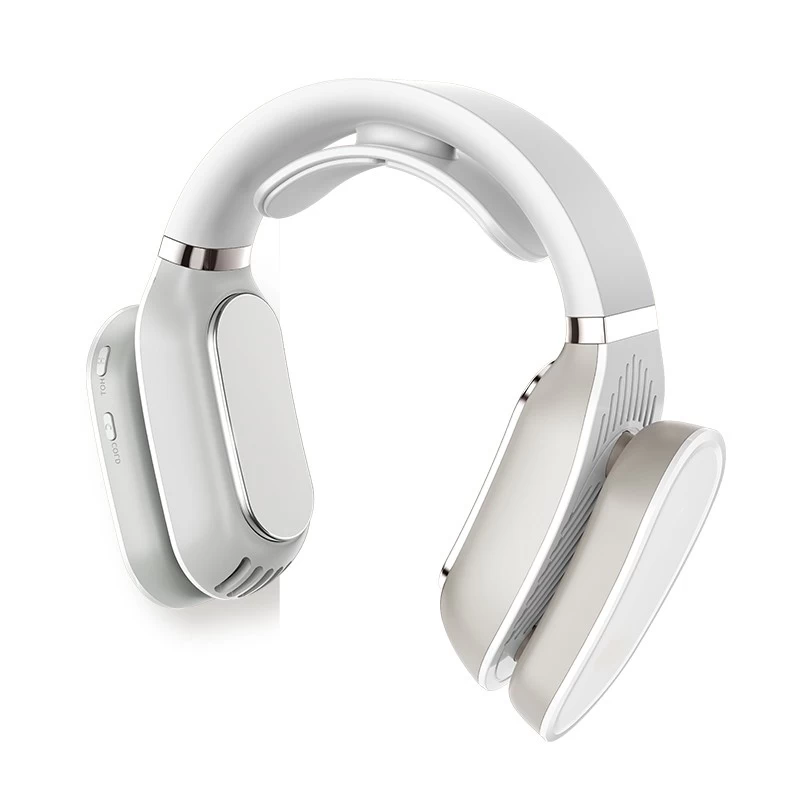
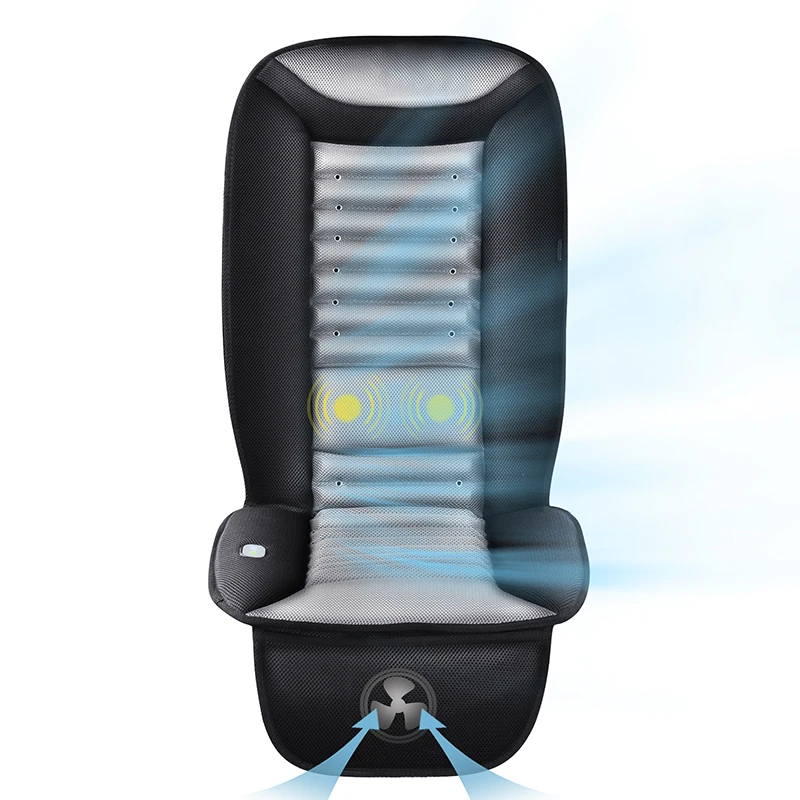
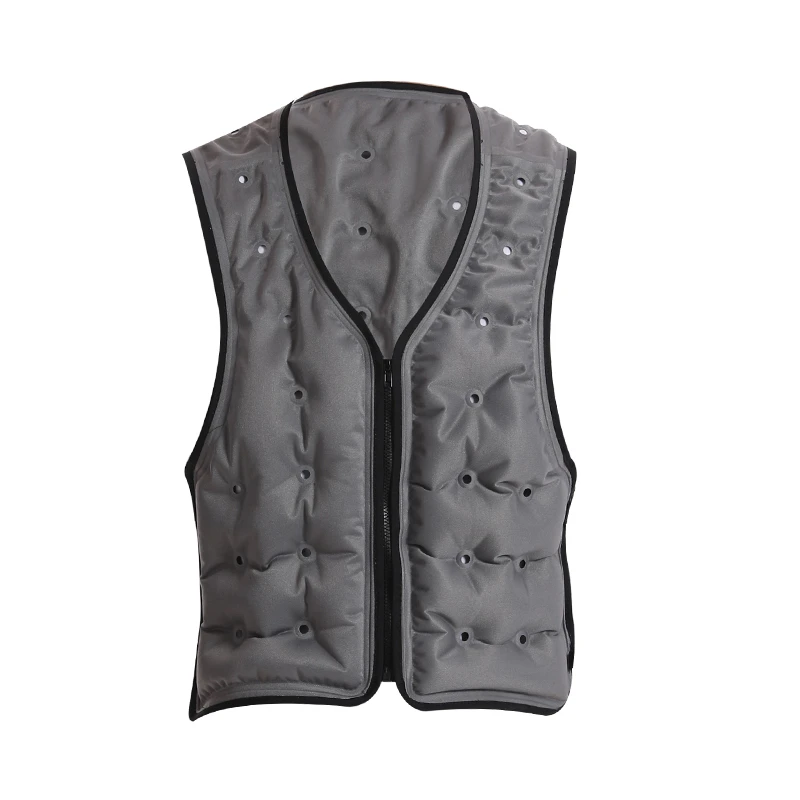
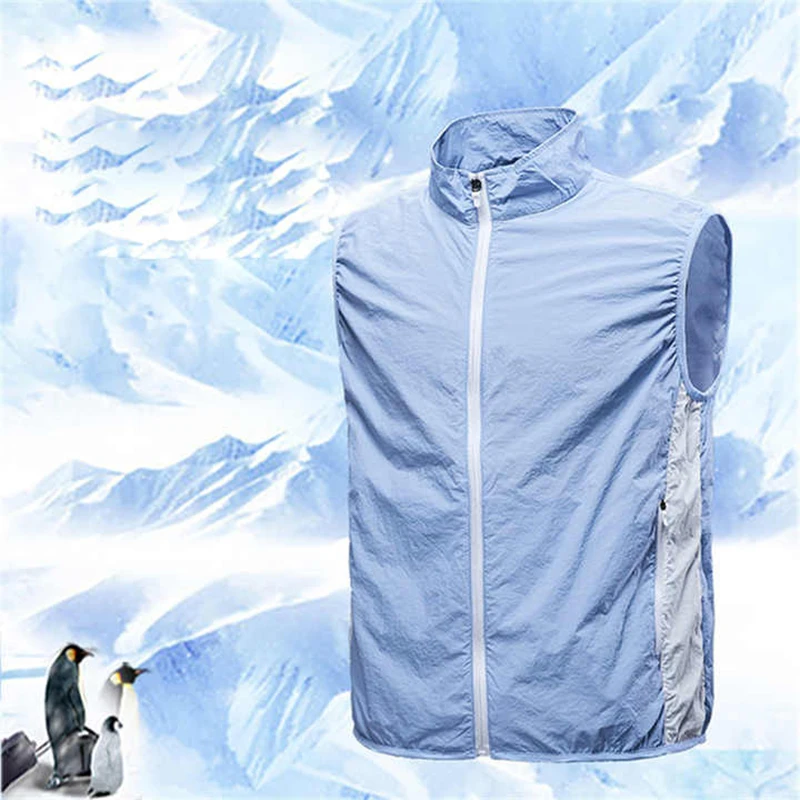
Modern cooling suits utilize innovative materials and engineering techniques to regulate body temperature. (Jacket Fan Air Conditioning T-shirts) For example, phase change materials (PCMs) absorb and release heat to maintain a stable microclimate around the wearer. Meanwhile, moisture-wicking fabrics enhance breathability, while ventilation channels promote air circulation to prevent excessive sweating and discomfort. Some high-tech designs even incorporate portable cooling systems, such as battery-powered vests equipped with micro fans or evaporative cooling, which can provide adjustable temperature control for long periods of underground work.
Key features of effective cooling suits
Lightweight and flexible design - Mining requires constant movement, so cooling suits must be unrestricted and durable.
Heat resistance and durability - Given the harsh mining environment, fabrics must be able to withstand abrasion, dust and potential chemical corrosion.
Energy saving - Battery-powered cooling systems should have long-lasting power to last a full work shift without frequent charging.
Easy to maintain - Given the harsh working conditions, cooling suits should be machine washable and wear-resistant.
Benefits for miners and operations
By incorporating cooling suits into mining workwear, companies can significantly reduce heat-related illnesses and improve worker health and morale.(Short Sleeve Summer Air Conditioner Jacket) Improved thermal comfort also improves concentration, minimizing errors and accidents. From an operational perspective, fewer heat fatigue incidents mean uninterrupted productivity, ensuring smoother workflows and higher economic benefits.
Common problems and misunderstandings in practical applications
Myth 1: All cooling clothing is suitable for mine environments
Problem: Mistakenly using ordinary cooling suits for mines, ignoring safety requirements such as explosion-proof and flame-retardant.
Correction: Mine cooling suits must comply with mining safety standards, and the materials must be flame retardant (afterburning time ≤ 5 seconds) and anti-static (surface resistance ≤ 1×10⁹Ω).
Case: A mine used an uncertified evaporative cooling vest, and the friction of the nylon outer layer generated static sparks, causing a gas flashover accident.
Myth 2: Cooling suits can completely replace other protective measures
Problem: Over-reliance on cooling suits, ignoring comprehensive measures such as ventilation, shifts and hydration.
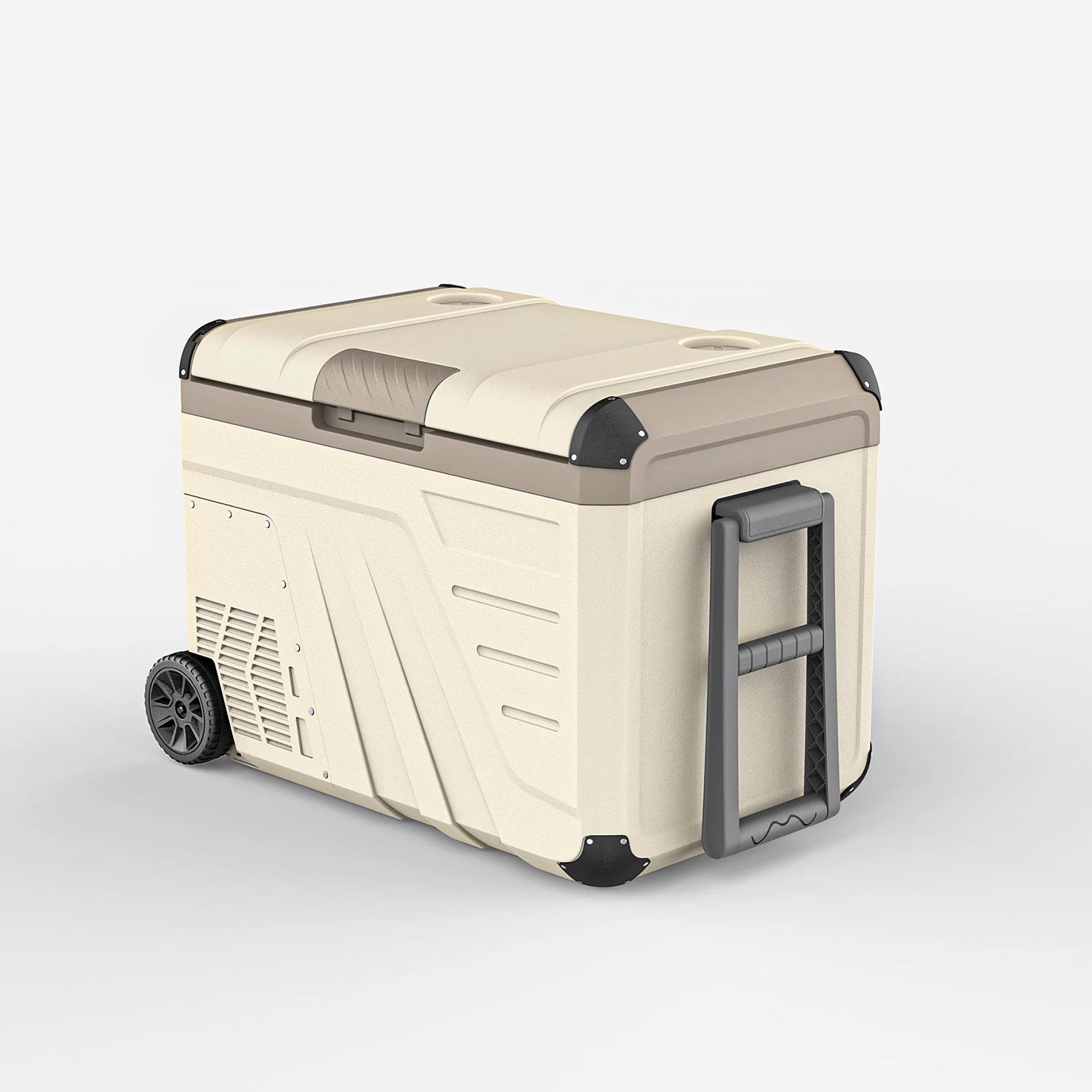
Correction: Cooling suits are only used as auxiliary tools, and must be coordinated with mine ventilation systems (such as local refrigerators), scheduled shifts (rest and hydration every 2 hours) and heat stress monitoring (such as body temperature and heart rate sensors).
Case: Heatstroke still occurred in a mine area after using a water-cooling vest, and electrolyte imbalance was caused by failure to replenish water in time.
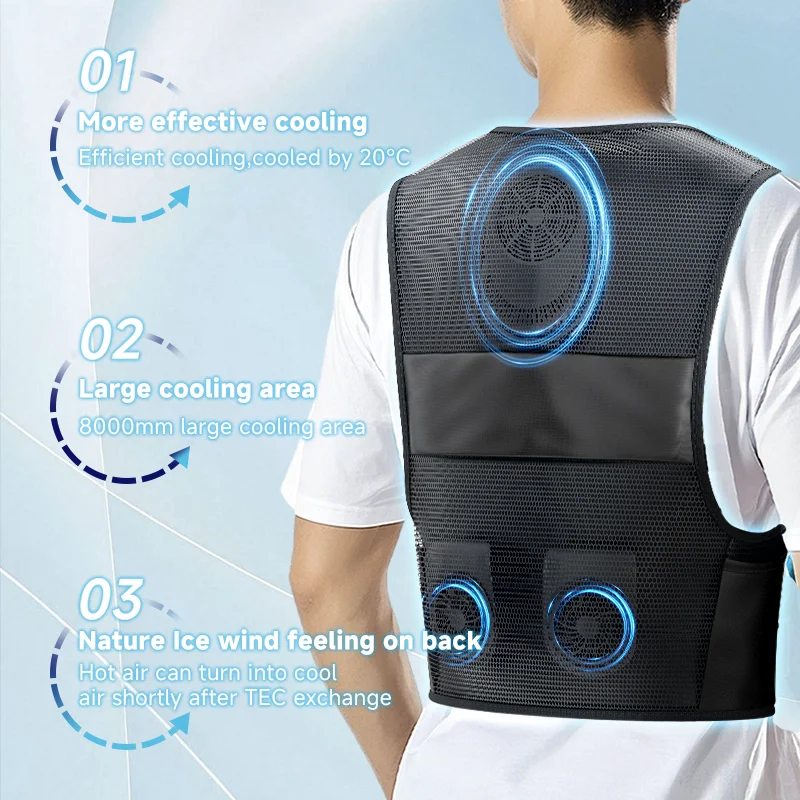
Cooling Jacket with Fan on sale China
Myth 3: Ignoring the impact of humidity on cooling effect
Problem: High-humidity mines incorrectly choose evaporative cooling clothing, resulting in cooling failure.
Correction: Dry environment (humidity <60%): choose evaporative cooling type, which cools down quickly and lasts long. High humidity environment (humidity >80%): phase change material (PCM) or gel storage type is preferred.
Myth 4: Not choosing the appropriate type according to the working time
Problem: Short-term cooling clothing (such as PCM type) is used for long-term work, and the cooling capacity is exhausted in the middle.
Correction: Short-term work (<3 hours): PCM type or evaporative cooling type. Long shift (5 hours): gel storage type (need to be frozen for 5 hours in advance) or water cooling cycle type.
Myth 5: Ignoring maintenance and life management
Problem: Failure to clean or replace components regularly leads to performance degradation and even safety hazards.
Correction: Cleaning: Hand wash cooling clothing every week (neutral detergent) to avoid bleach corrosion of phase change materials. Life management: PCM components: After 2000 cycles, the latent heat value decreases by ≥15%, and needs to be replaced. Gel bag: The cooling time is shortened after freezing for more than 500 times, and it needs to be eliminated after inspection.
Case: A mine gel vest had not replaced its cooling bag for a long time, and the cooling time was reduced from 4 hours to 1 hour, which caused complaints from workers.
Misconception 6: Improper wearing affects cooling efficiency
Problem: The vest is loose or covers insufficient area, resulting in ineffective transfer of cold.
Correction: 1. The vest should be close to the skin (preferably Velcro or elastic straps for adjustment) and cover the core heat dissipation area (back, chest, and armpits). 2. Avoid overlapping with other protective equipment (such as seat belts) to prevent cold blocking.
Case: A miner wore a vest too loose, and the cooling effect was only 60% of the design value.
With the development of wearable technology, future cooling suits may integrate smart sensors to monitor body temperature and moisture content in real time, alerting workers and managers to potential health risks. In addition, renewable energy solutions such as solar cooling systems can further improve the sustainability of mining operations.
Personal cooling suits represent an important advancement in occupational safety, combining innovation with practicality to protect miners from extreme heat. By adopting these technologies, mining companies can not only protect the safety of their employees, but also promote a more efficient and sustainable industry. Deep underground, science and wisdom are the guardians, ensuring safety and comfort coexist.