










Semiconductor Heating Technology: The Science Behind a New Smart Vest That Defies -20°C Cold
The Science of Semiconductor Heating in the Vest
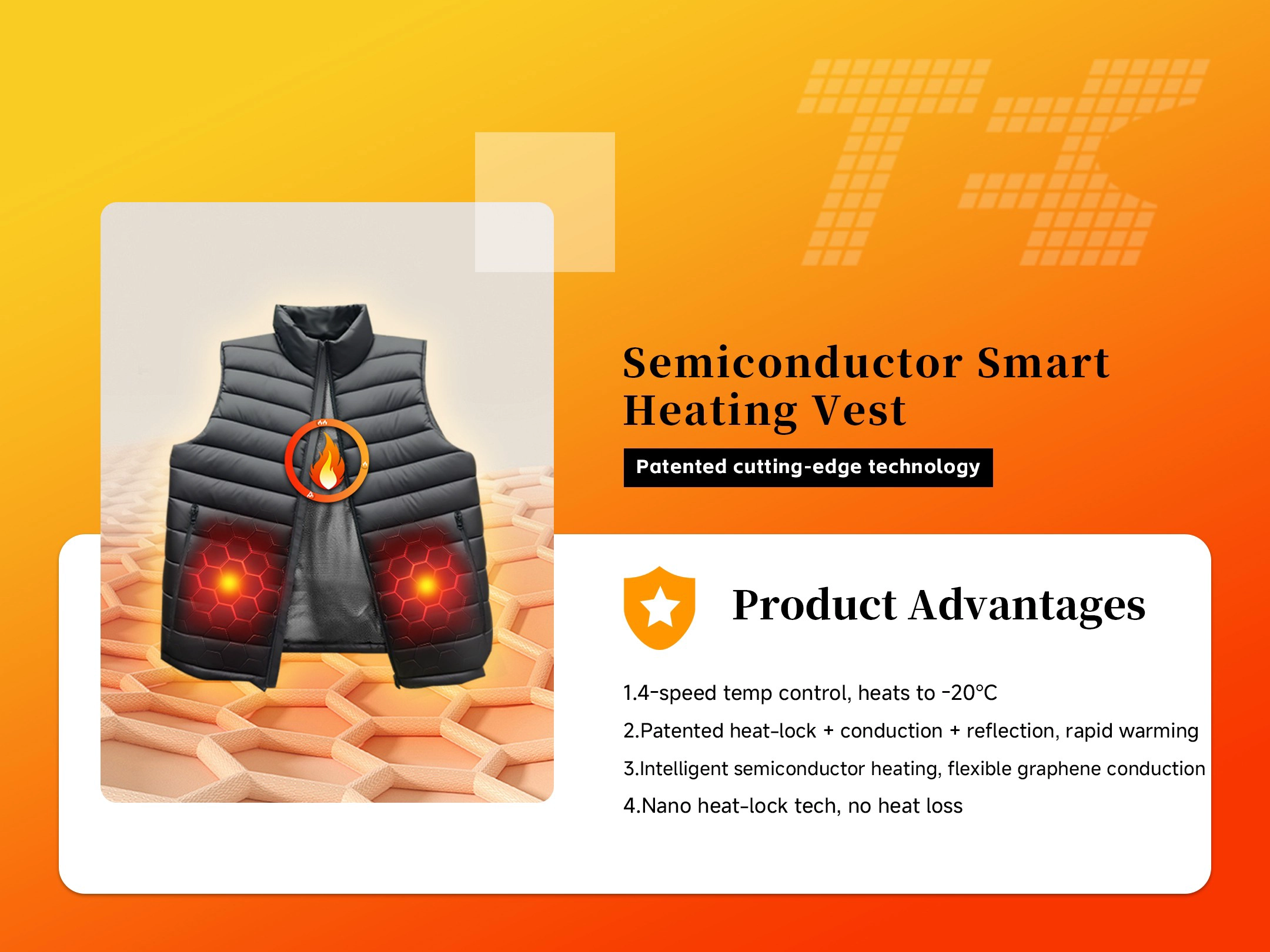
At the core of the vest are thin-film semiconductor heating pads, which generate heat through Joule heating: when an electric current passes through the semiconductor material, the movement of charge carriers (electrons and holes) produces consistent, efficient thermal energy.
Unlike traditional resistive heaters, these semiconductor components offer two key advantages:
-
Rapid response: They reach operational temperature in 3–5 seconds, enabling the "instant warmth" the product advertises.
-
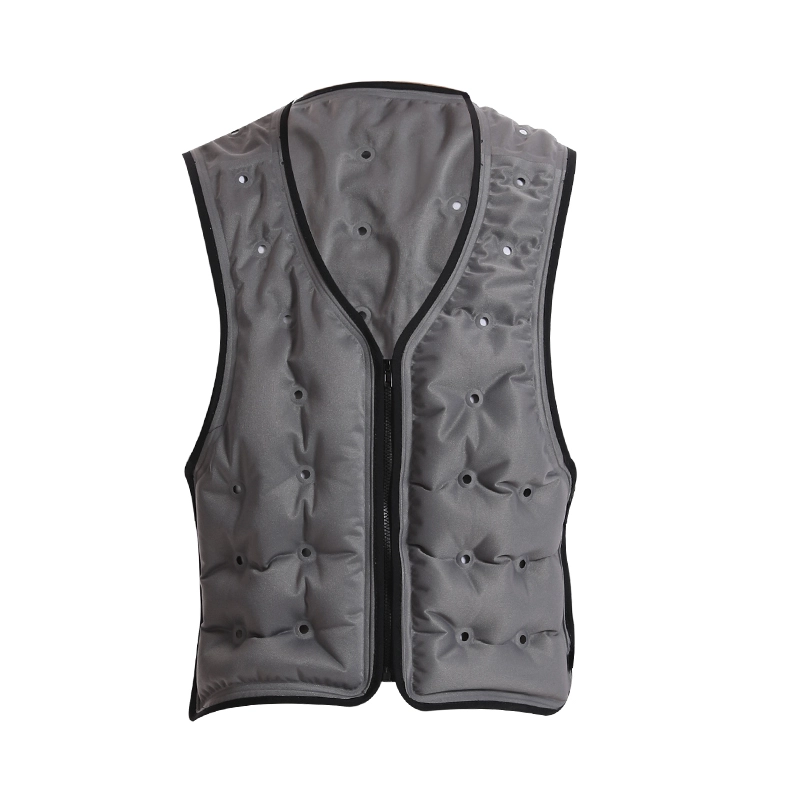
Targeted efficiency: Large-area pads are positioned on the lower back and waist—core body regions prone to heat loss—maximizing warmth retention by focusing heat where the body needs it most.
The "75°C maximum temperature" cited in product materials refers to the pads’ operational heat (not direct skin contact); the vest’s fabric insulates this to deliver a safe, adjustable skin temperature range (35°C to 50°C) via four temperature settings.
Practical Advantages Enabled by Semiconductor Tech
Semiconductor components are the backbone of the vest’s user-friendly design:
-
Lightweight warmth: Thin, flexible semiconductor pads eliminate the need for bulky insulation (e.g., thick down or fleece), keeping the vest portable for commutes or outdoor tasks.
-
Washable durability: Pads are sealed in waterproof, shock-resistant casings, allowing machine washing (with the removable battery detached)—a key upgrade over early heated apparel that required hand-washing.
-
Adaptable battery life: On its lowest 35°C setting, the vest delivers 12 hours of continuous warmth (covering a full workday + commute); higher settings (up to 50°C) offer 4–6 hours of heat for shorter outdoor stints.
Real-World Utility and Safety
The vest targets commuters, delivery workers, and casual outdoor enthusiasts—users who need warmth without sacrificing mobility. Critical safety features, integrated with the semiconductor system, address common heated-apparel concerns: built-in over-temperature protection and short-circuit prevention prevent overheating, leveraging the stable thermal behavior of semiconductor materials to avoid risks.
As smart wearable tech expands into daily comfort, semiconductor heating represents a shift toward precise, efficient winter solutions—trading bulky layers for targeted, tech-driven warmth. For consumers navigating -20°C cold without feeling weighed down, this vest demonstrates how semiconductor innovation can turn basic apparel into a climate-adaptive tool.