




















Semiconductor Thermal Management Revolution: Advanced Heating Technology Leads the New Era of Green Energy
As the global energy transition accelerates, a technology once confined to niche applications is quietly emerging as a critical force in combating climate change.In a world striving for carbon neutrality, thermal management technology has become a crucial battleground for energy efficiency. According to the latest industry reports, advanced semiconductor heating solutions can improve energy efficiency by over 30% while reducing carbon emissions.
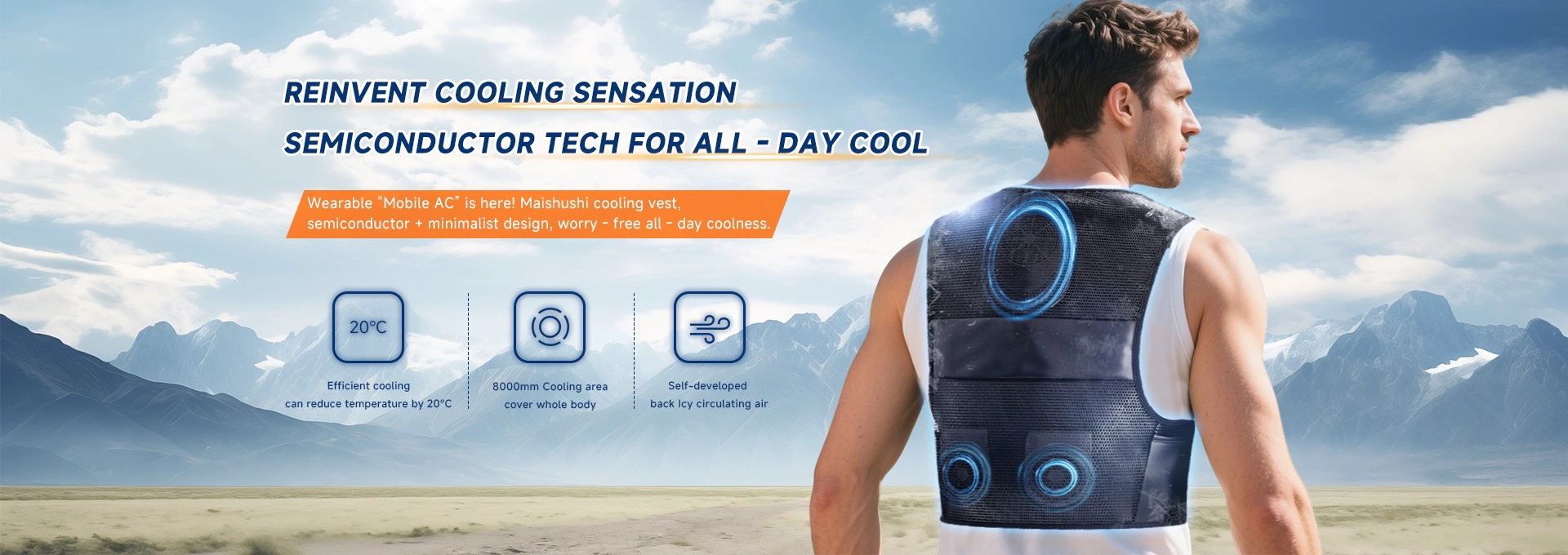
This breakthrough comes at a pivotal time - as extreme weather events increase globally, demand for efficient heating solutions has surged, with traditional heating systems accounting for a significant portion of worldwide energy consumption.(Cooling AC Fan Jacket supplier china)Semiconductor thermal management technology is evolving from a simple temperature control tool into a core component of smart energy systems.

01 Technological Leap: The Semiconductor Revolution from Cooling to Heating
When Microsoft announced its microfluidics cooling technology could achieve a threefold improvement in heat dissipation efficiency, it demonstrated the greater potential of semiconductor thermal management technology. The same physical principles can be applied to precision heating for applications ranging from electric vehicles to smart buildings.
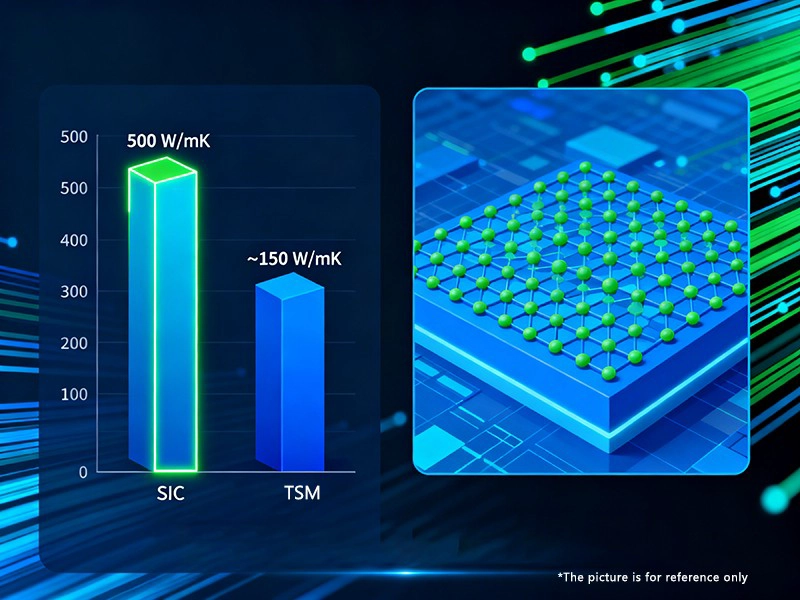
In recent years, advancements in wide-bandgap semiconductor materials like silicon carbide (SiC) and gallium nitride (GaN) have driven leaps in thermal management technology. SiC boasts a thermal conductivity of up to 500 W/mK, far exceeding traditional silicon-based materials.This characteristic makes SiC an ideal material for efficient heat transfer.Two recent SiC thermal management patents disclosed by Huawei further demonstrate the material's potential. (summer cool ventilation cushion supplier china) One patent describes a composite material consisting of a matrix and thermal conductive fillers, containing SiC particles with sphericity exceeding 0.8.This design significantly enhances the material's flowability and thermal conductivity.Another breakthrough in semiconductor thermal management technology lies in structural design innovations. The embedded three-layer microfluidic architecture developed by Professor Song Bai's team at Peking University achieves thermal flux management of 3000 W/cm² with only 0.9 W/cm² of pumping power.This technology's record-high coefficient of performance (COP) of 13,000 sets a new standard for high-performance thermal management systems.
02 Practical Applications: Diverse Scenarios for Semiconductor Heating Technology
In the electric vehicle sector, semiconductor heating technology is bringing revolutionary changes. While traditional resistive heaters suffer from low energy efficiency, semiconductor-based thermal management systems can precisely control battery temperature, extending range and maintaining performance in cold conditions.This technology can reduce energy loss for EV batteries in winter by up to 40%.Intelligent buildings represent another beneficiary area. Semiconductor heating systems can seamlessly integrate with renewable energy sources, enabling on-demand zonal heating. Compared to traditional central heating systems, this precise thermal management can reduce energy consumption by 20-30%.
Innovations in data center thermal management offer forward-looking cases.(Custom Winter Waterproof Electric Jacket) Microsoft's microfluidic cooling technology, which etches microchannels directly into the back of chips to allow coolant direct contact with heat sources, dramatically improves heat exchange efficiency. Similar principles can be applied to semiconductor heating systems for efficient, targeted heat distribution.
Waste heat recovery in industrial processes is also being transformed by advances in semiconductor thermal management. New heat exchangers can capture waste heat from industrial operations and redirect it for district heating or other processes, significantly improving overall energy efficiency.
03 Future Trends: Intelligent Integration and Global Impact
With artificial intelligence being integrated into thermal management systems, we are approaching an era of more precise temperature control. Microsoft has demonstrated how AI can optimize chip cooling paths, and similar approaches can be applied to heating systems to intelligently adjust heat distribution through real-time analysis of temperature patterns.
Such intelligent thermal networks can further combine with IoT devices to create urban heating networks that respond to actual demand, avoiding energy waste.
Advances in semiconductor thermal management technology also have profound implications for the global energy landscape. The International Energy Agency (IEA) predicts that data center electricity consumption could exceed 1,000TWh by 2030. Efficient thermal management technology can significantly reduce this figure, freeing up electrical capacity for other critical services.
On a macro level, the widespread application of semiconductor thermal management technology can help countries better achieve their climate targets. Policies such as the EU's "Renewable Energy" Directive and the U.S. Inflation Reduction Act are creating favorable regulatory environments that accelerate the adoption of efficient thermal solutions.