












Camels: The "Cooling Masters" of the Desert
In the vast, sweltering deserts where surface temperatures exceed 50°C, camels thrive as if equipped with a "natural air conditioner"—their thick fur harbors dual cooling secrets: thermal insulation and evaporative cooling. (Fast delivery cooling hiking clothes wholesale) Scientists have unraveled this mystery, integrating such "desert wisdom" into modern technology to unlock new possibilities for future wardrobes!

The Cooling Secrets of Camel Fur
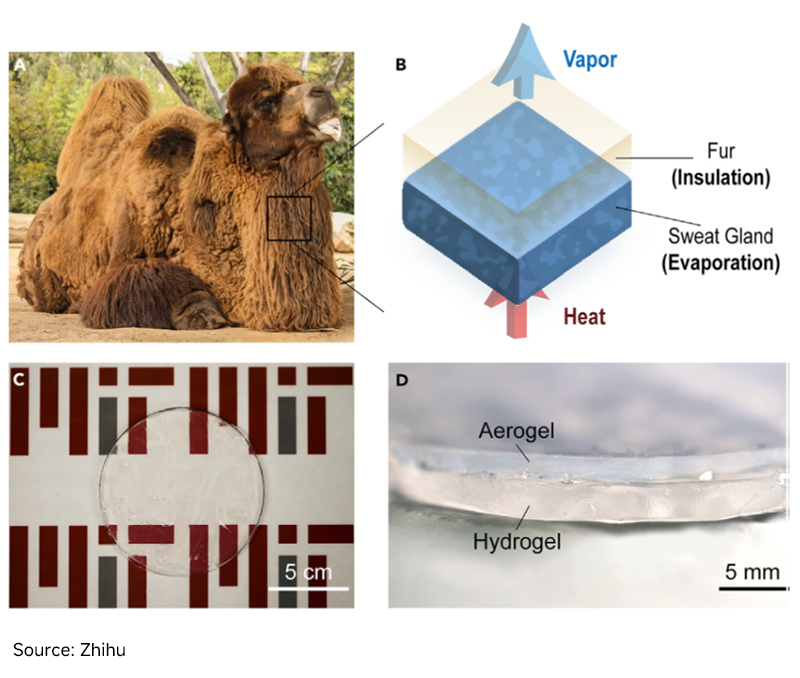
A camel’s fur acts like a meticulously designed insulating layer, with remarkable thickness and density. Boasting a high number of hairs per square centimeter, it forms a tight protective network. This unique fibrous structure increases air flow resistance, making it hard for external heat to penetrate the fur and reach the camel’s body—like a heat-blocking suit that effectively mitigates the impact of extreme external temperatures.
Efficient Evaporative "Air Conditioning"
When camels sweat, their fur quickly transforms into a highly efficient evaporative "air conditioner." Thanks to its excellent water absorbency, the fur rapidly soaks up sweat and distributes it evenly across its surface. (China OEM cooling hiking clothes supplier)Under dry air and intense sunlight, the sweat evaporates swiftly, carrying away substantial heat to cool the camel’s body. Compared to the fur of ordinary animals, camel fur boasts far higher evaporative cooling efficiency, truly earning it the title of "desert cooling master."

Scientific Validation
Laboratory experiments revealed that camels with shaved fur exhibited significantly elevated body temperatures and increased sweating, while those with intact fur maintained stable body temperatures with minimal water loss. Studies also showed that camel fur reflects large amounts of solar radiation, reducing heat absorption. These findings conclusively confirm the exceptional cooling performance of camel fur.
Scientific Inspiration from Nature
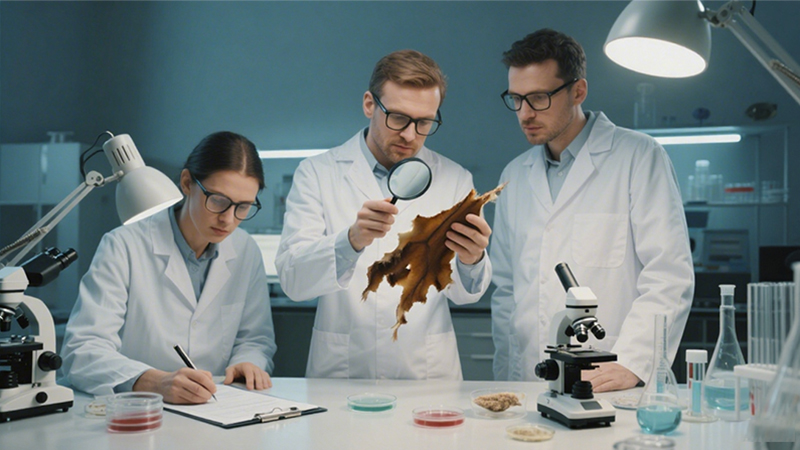
Scientists at MIT drew inspiration from camel fur’s properties to design a dual-layer film structure, combining hydrogel (for evaporative cooling) and aerogel (for thermal insulation). Tests showed this material retained cooling capacity 400% longer than traditional single-layer hydrogels, sustaining a 7°C temperature drop for 8 days without electricity. This breakthrough offers new hope for the storage and transportation of food and pharmaceuticals.
From Lab to Wardrobe
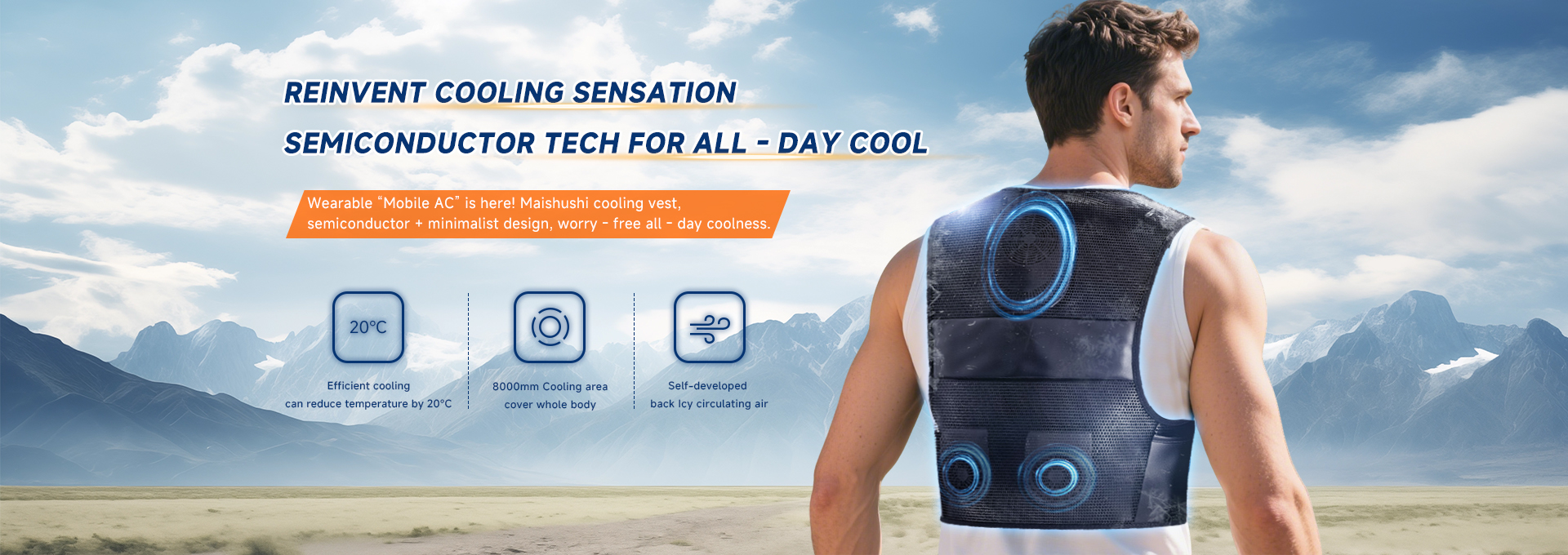
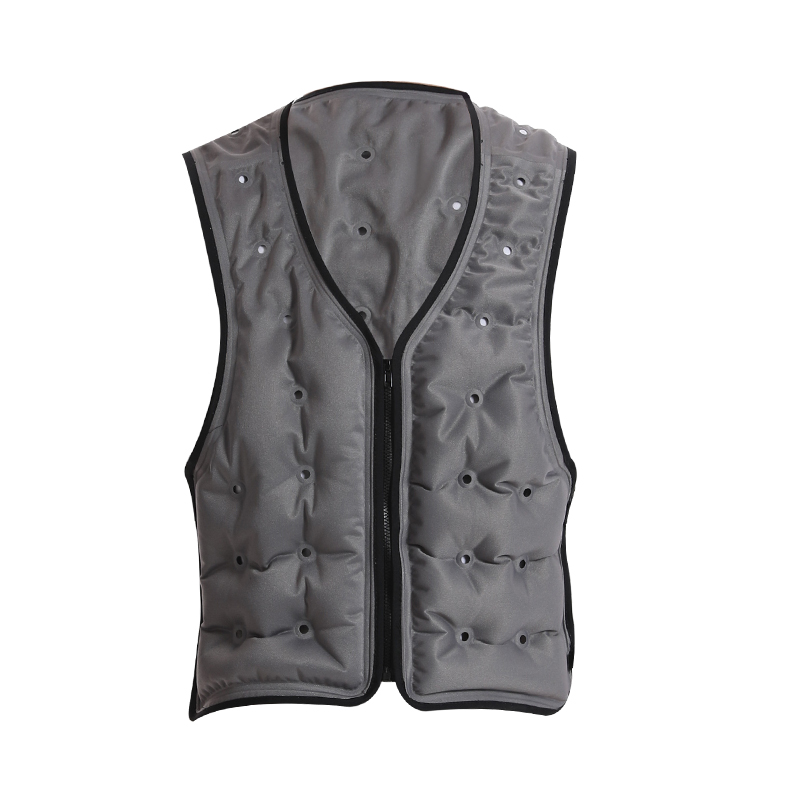
Based on camel fur’s cooling mechanisms, future clothing could become smarter and more convenient. (cooling hiking clothes manufacturer China) Imagine smart temperature-regulating sportswear that adjusts temperature and breathability based on ambient conditions—accelerating sweat evaporation during exercise for cooling, then switching to insulation mode post-workout. Daily attire might also integrate automatic cooling, keeping wearers cool in scorching summers while remaining stylish.
The Perfect Fusion of Technology and Nature
The cooling mechanism of camel fur is a precious lesson from nature. It has not only inspired researchers but also driven innovations in apparel development. As technology advances, future clothing will grow more comfortable, intelligent, and eco-friendly, enhancing daily life. Bionic technology, as a bridge between nature and science, is revealing immense potential and broad application prospects.