









Revolutionary Cooling Vest for Firefighters: 50% Heat Stress Reduction in Extreme Rescues
Amidst raging infernos, firefighters clad in heavy protective gear push forward while their core body temperature can surge by over 2°C within just 15 minutes. The microenvironment inside their suits can exceed 80°C, exposing them to potentially fatal heat stress. When core temperature surpasses 40°C, human cells begin to die, leading to cascading organ failure.
During firefighting operations, three heat sources simultaneously assault firefighters' bodies: radiant heat from external flames, heat accumulated within protective gear, and metabolic heat generated by intense physical exertion. Research shows that firefighters wearing full protective ensembles can exceed the critical core temperature threshold of 38.5°C in as little as 18 minutes.
China cooling hiking clothes manufacturer
The Physiological Hazards of Heat Stress Progress in Stages:
Compensatory Stage (Core Temp: 37–38.5°C):
Profuse sweating causes dehydration at a rate of 1–1.5 liters per hour. Heart rate skyrockets to 160–180 beats per minute—equivalent to the exertion level of marathon runners at peak performance.
Exhaustion Stage (Core Temp: 38.5–40°C):
Sweating diminishes or ceases entirely. Skin becomes hot and dry. Disorientation sets in. The risk of heatstroke triples at this stage.
Collapse Stage (Core Temp: >40°C):
Multiple organ failure occurs. Mortality rates reach 80%. Half of survivors sustain permanent brain damage.
A 2024 study by the University of León revealed limitations in current cooling technologies. Even when wearing cooling vests in simulated 30°C environments, firefighters exhibited significant heat stress responses after 75 minutes of work, underscoring the need for continuous improvement.
Wholesale price cooling hiking clothes supplier
Cooling Technologies in Practice:
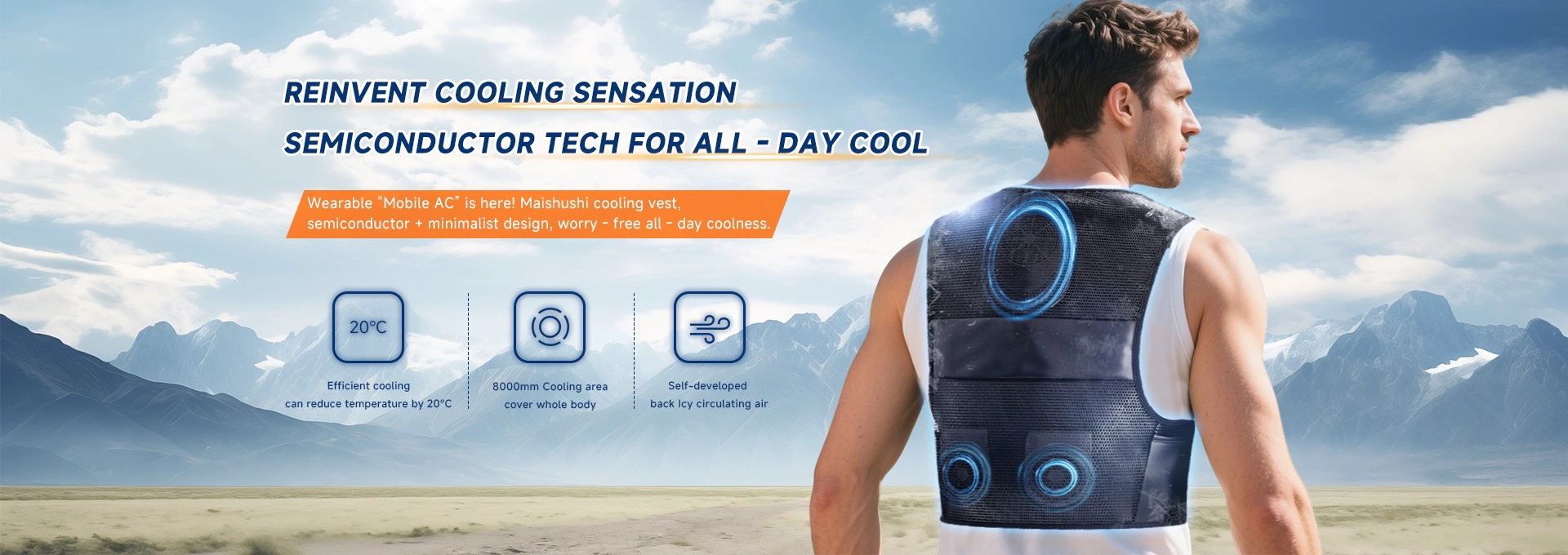
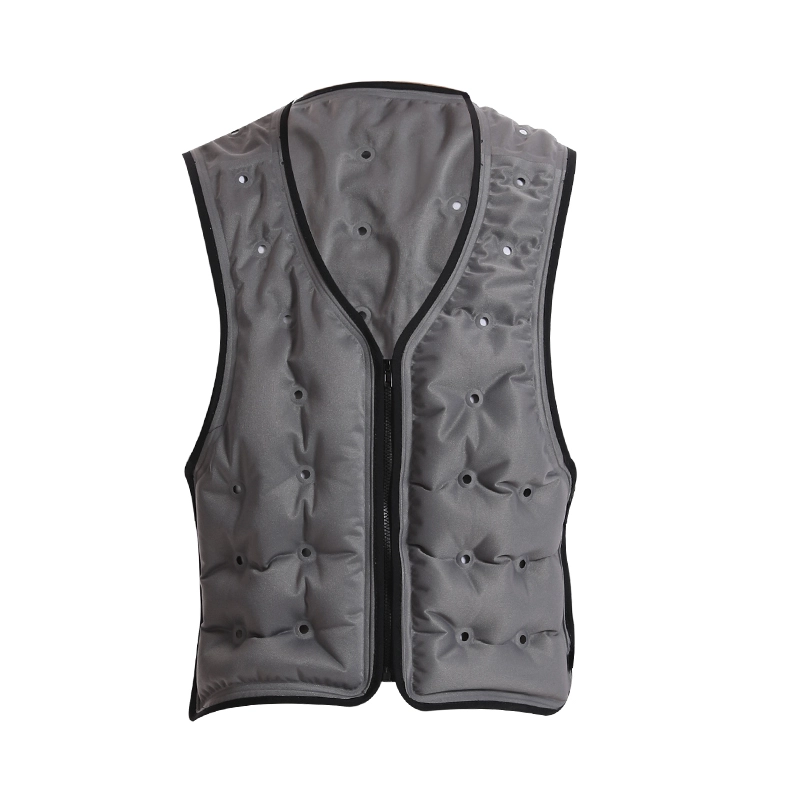
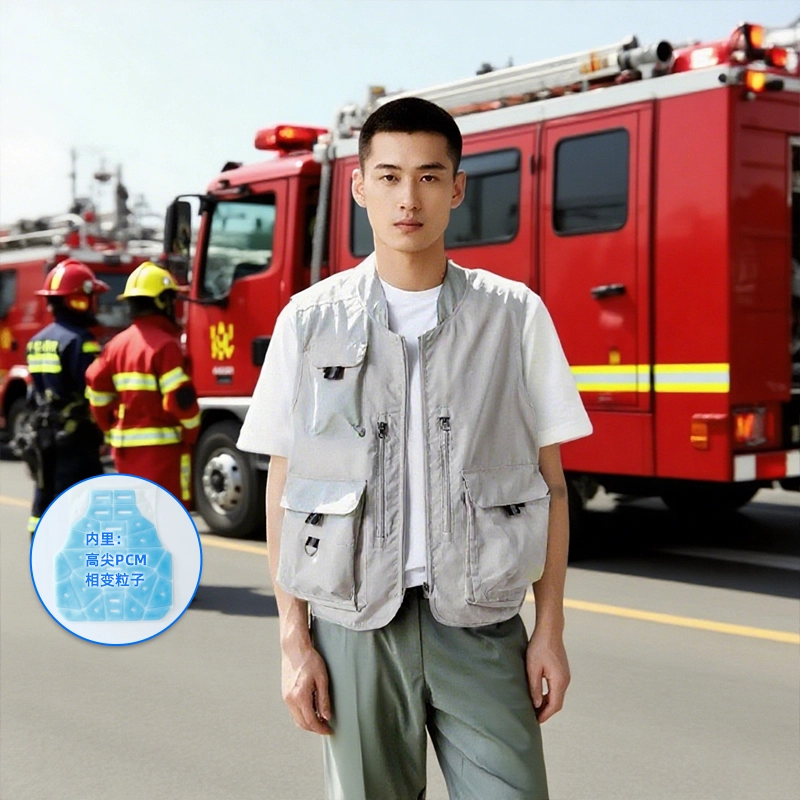
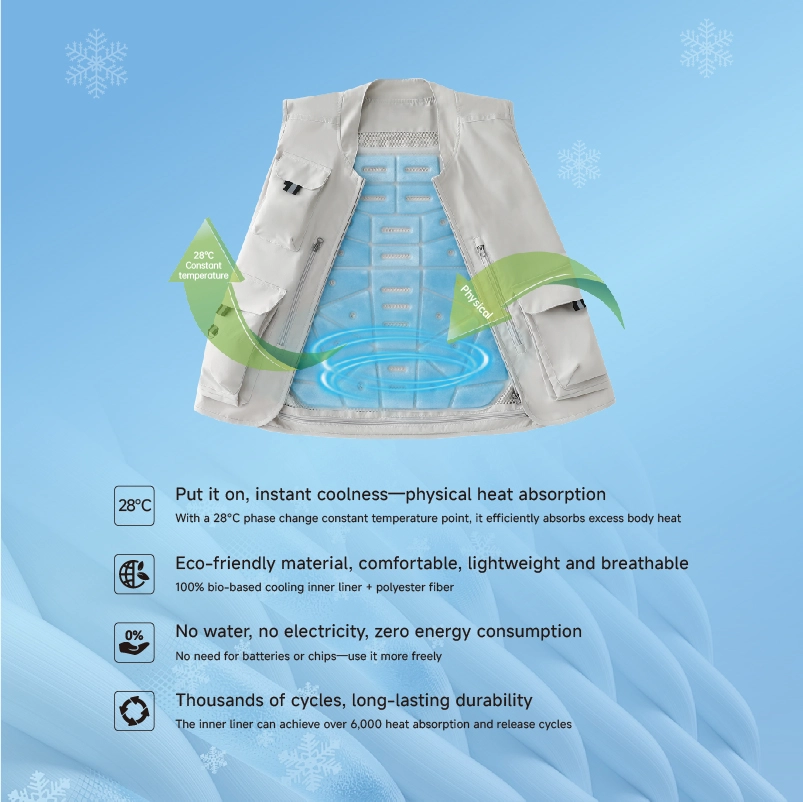
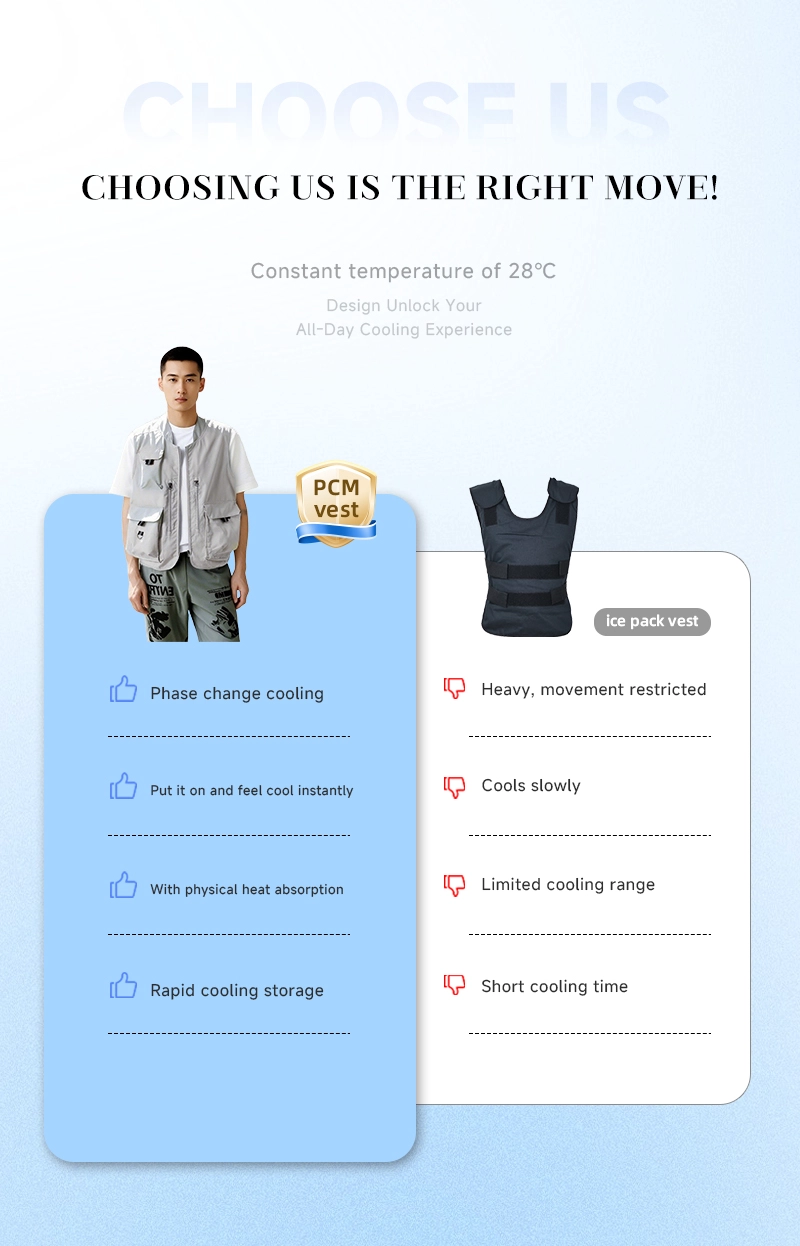
Phase Change Material (PCM) Vests: Widely adopted by local fire departments due to their lack of external power requirements, low cost, and simplicity. The bio-based PCM COOLOVER-X vest by Dutch company INUTEQ exemplifies this category. Its four-component design (vest, energy-storage packs, insulating bags, and insulating panels) features a "dual insulation system" maintaining a skin-contact temperature around 18°C, preventing discomfort from excessive cooling regardless of individual differences.
Usage: Firefighters freeze the energy-storage packs for over 5 hours before deployment. Frozen packs are inserted into white foam insulating bags, then placed into vest pockets alongside black sponge insulating panels positioned against the body. These two-piece vests use hook-and-loop fasteners and feature front/rear pockets for cooling elements. They provide up to 4 hours of cooling in 40°C environments. The hydrogel-based coolant can be refrozen thousands of times, with a lifespan exceeding 2 years.
Liquid-Cooled Garments: MatekTechnology(ShenZhen)Company Limited has developed an integrated liquid-cooling system vest, inspired by spacesuit technology. This innovation functions like an "automatic air-conditioning system" within the firefighting suit. The one-piece suit, made from flame-retardant, waterproof, chemical-resistant, and flash-fire-resistant materials, incorporates a micro water-circulation system. Tests showed subjects remained comfortable after 30 minutes in an 80°C chamber. This system eliminates the need for manual ice pack replacement.
Optimization Research: Tianjin Polytechnic University researchers optimized the liquid-cooling tubing layout. In simulated 40°C, 50% humidity conditions, transverse tubing proved more efficient than longitudinal: manikin skin temperature was 0.58°C lower, and the inlet-outlet water temperature difference was reduced by 3.8°C. Vests with transverse tubing maintained firefighters' average skin temperature within the comfort zone for over 60 minutes—extending effective operational time by at least 20 minutes compared to standard gear.
OEM cooling hiking clothes factory China
Key Selection Criteria for Firefighting Cooling Vests:
Flame Resistance: Must be made from certified flame-retardant fabrics that char upon exposure but self-extinguish when removed, meeting firefighting safety standards.
Ergonomic Design: Prioritize vests with separate front (typically 2 packs) and back (typically 2 packs) cooling zones. This frees shoulder space for carrying SCBA and other essential equipment.
Cooling Performance: High-quality vests should maintain skin-contact temperatures between 12.8°C and 20°C for 4-7 hours in 40°C environments.
Weight Management: Total weight should be under 1.5kg to minimize added burden.
Conclusion:
When firefighters commit to duty and charge into flames, their safety relies not only on courage and skill but also on the scientific advancements supporting them. From flame-retardant fabrics to phase-change gels, and from simple cooling packs to intelligent temperature control, the evolution of cooling vests is a testament to how technology safeguards lives in the face of extreme danger.