



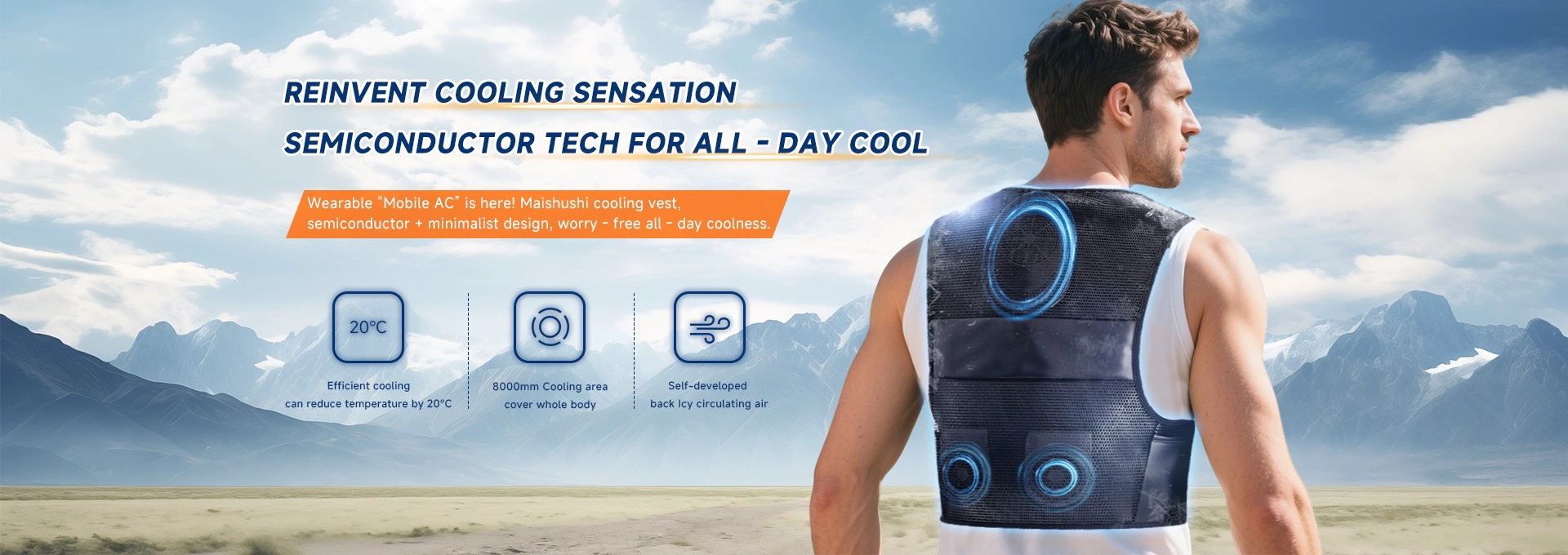







Military Cooling Vests: Enhancing Soldier Performance in Extreme Heat
Soldiers operating in high-temperature environments face not only physical exertion challenges but also risks like impaired judgment and heatstroke due to elevated core body temperature.
To address this, military cooling vests have emerged as a critical piece of modern individual soldier equipment—an unseen yet vital force multiplier. This article explores the technological breakthroughs in this field, examining their working principles, core applications, and cutting-edge developments.
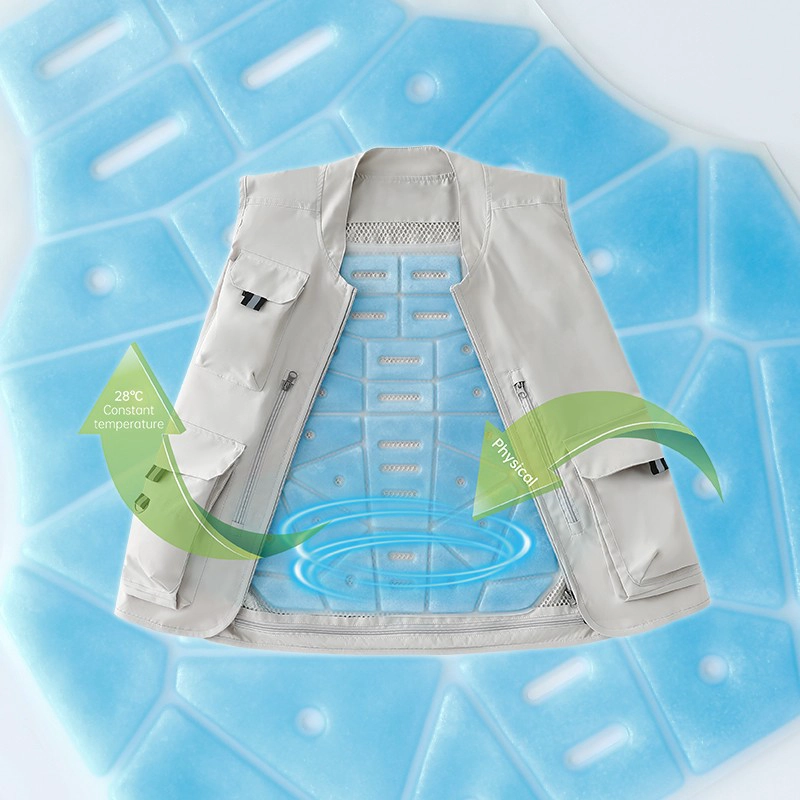
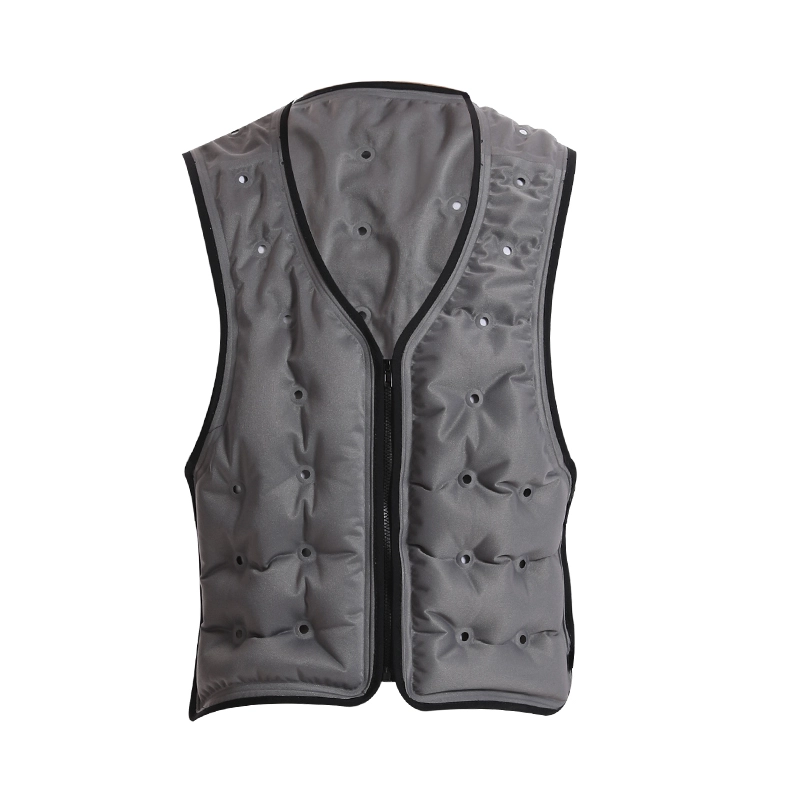
China air conditioned vest manufacturer
Core Technology: From Passive to Active Thermal Management
The core technology of military cooling vests revolves around "thermal management." A key recommended technology is:
Phase Change Materials (PCM): PCM vests utilize the physical properties of materials (like paraffin wax or hydrated salts) that absorb heat during phase transition. As body temperature rises, the solid PCM encapsulated within the vest absorbs heat and melts into liquid. This solid-to-liquid phase change absorbs significant latent heat, rapidly lowering skin surface temperature.
Example (China Aerospace Science and Industry Corporation - CASIC): Their "Air-Conditioning Vest" incorporates a PCM core. Pre-chilled, it provides up to 2 hours of cooling without producing condensate. This technology requires no external power, offering excellent portability, though periodic re-freezing is necessary.
Example (TST Sweden AB - MULTI Series): Designed for CBRN environments, this vest uses elastic, flame-retardant fabric and weighs under 2kg. Its cooling packs can be pre-chilled thousands of times.
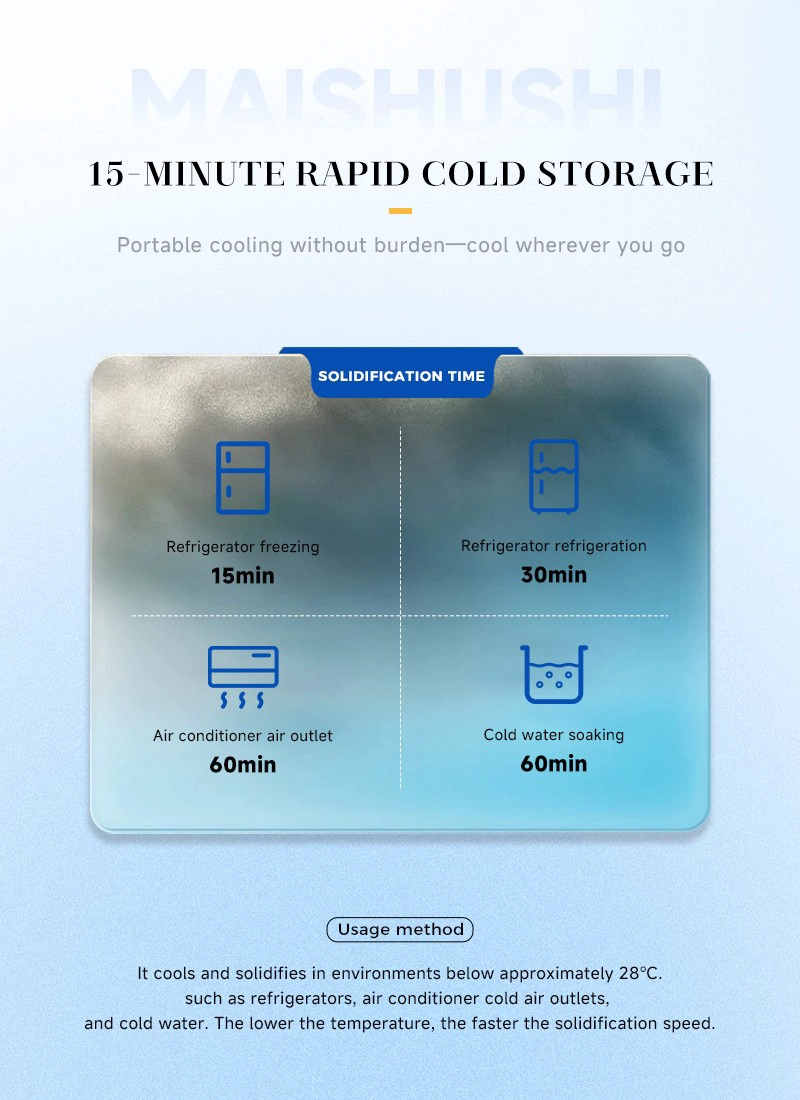
Fast delivery air conditioned vest wholesale
Operational Applications: From Lab to Battlefield
High-Temperature Combat: In deserts and tropics, cooling vests significantly extend soldiers' effective operational time. US military tests showed systems like LWECS reduced core temperature rise by 30% and fatigue by 40% in simulated extreme conditions. Similar technology is used by Chinese garrison troops on the Nansha Islands reefs to mitigate health risks from high heat and humidity.
Specialized Mission Adaptability: For scenarios like firefighting or counter-terrorism, CASIC's liquid-cooled vests feature a lightweight design (≤2kg total weight). The cooling unit is worn on the waist, preserving tactical mobility. Some models integrate temperature sensors for multi-level adjustment to suit varying mission needs.
Military-to-Civilian Technology Transfer: Military cooling tech is expanding into civilian sectors. For instance:
The DH03 cooling vest, using reusable solid-gel cooling packs, is widely adopted by firefighters and utility workers.
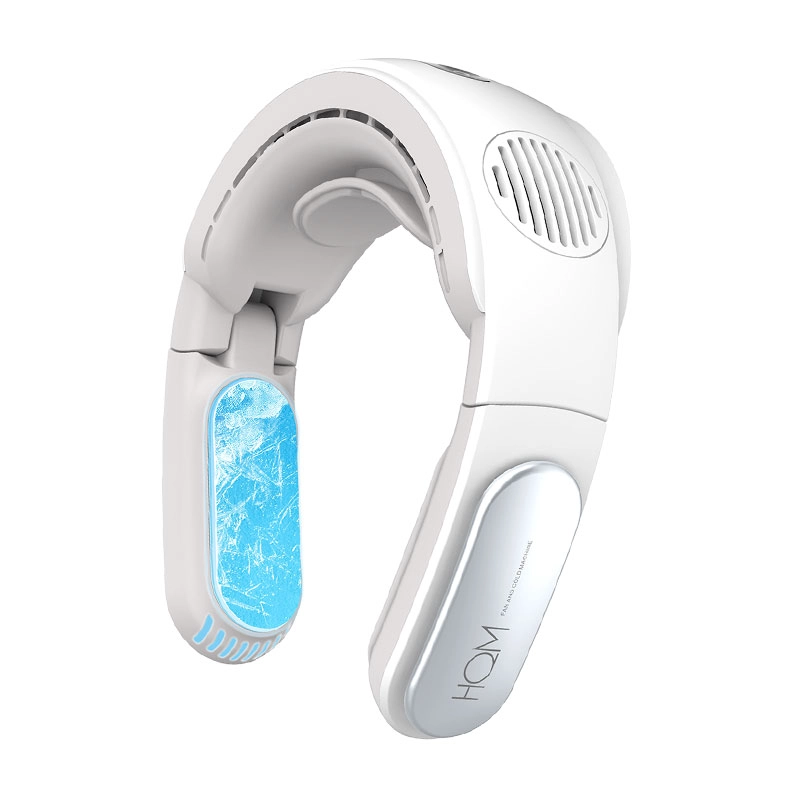
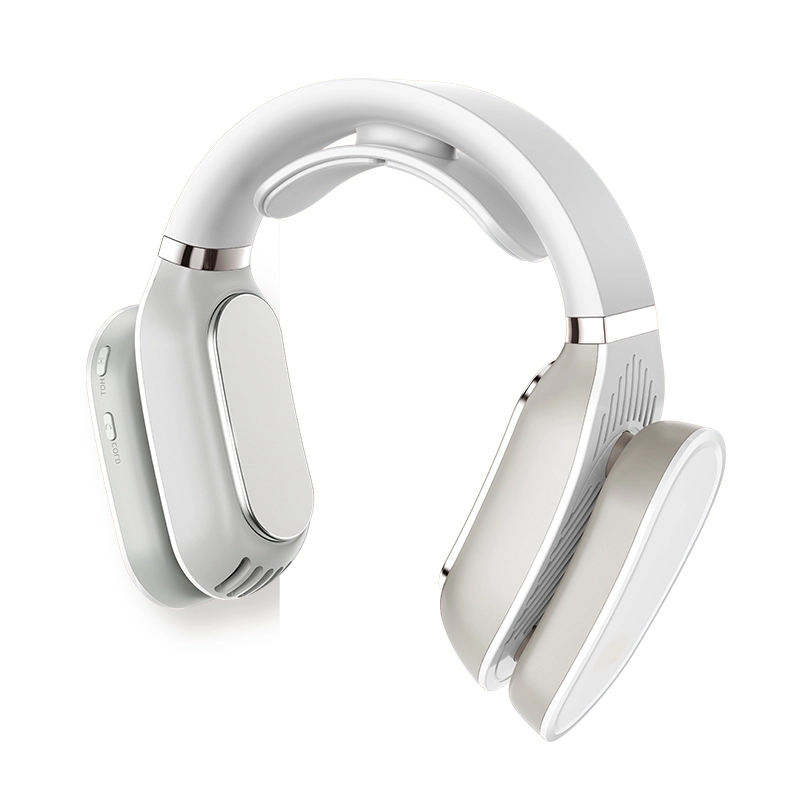
A Japanese company's portable thermoelectric unit (85g), based on the Peltier effect, allows body temperature adjustment via smartphone app, offering both discretion and smart features.
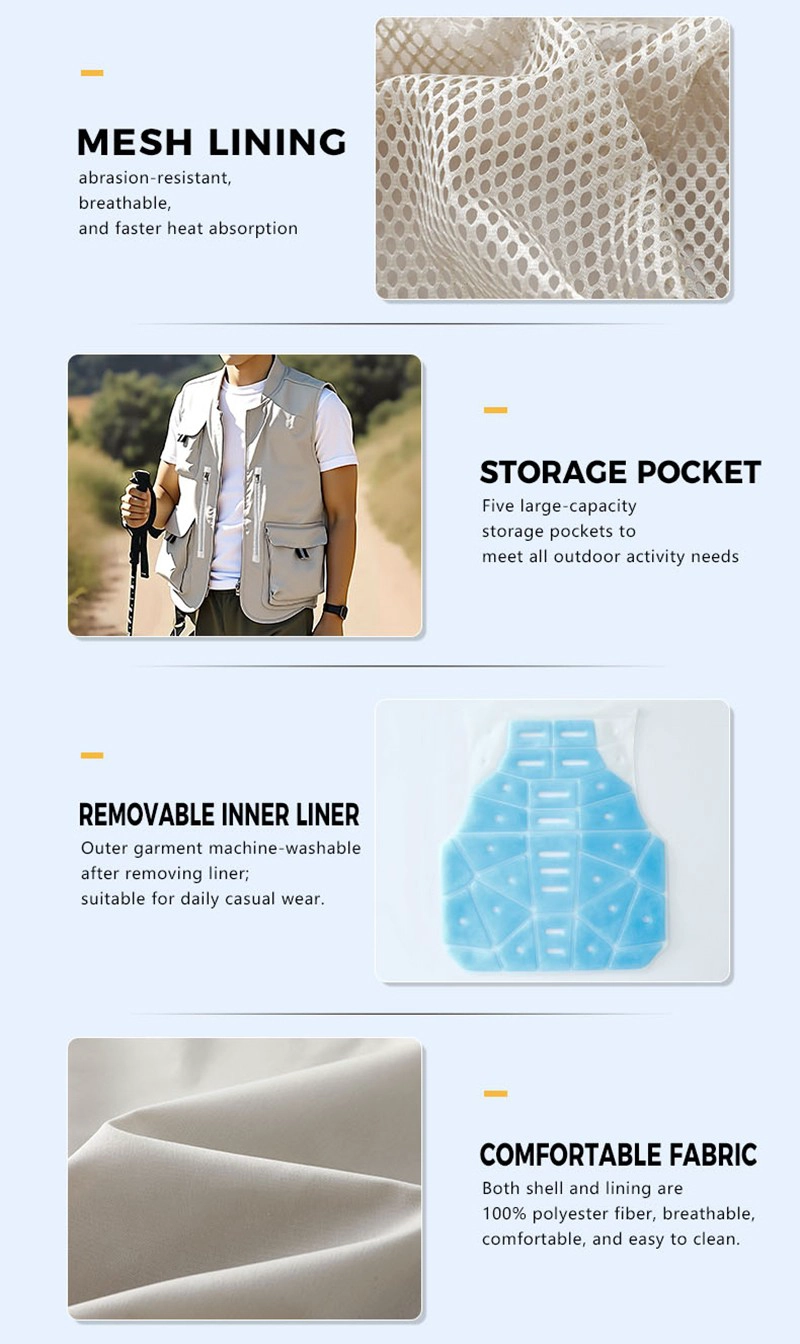
China air conditioned vest supplier
Challenges and Future Trends
Technical Bottlenecks:
Endurance vs. Weight: Water-cooled systems relying on batteries and ice packs increase soldier load (some models reach 4.5kg).
Environmental Adaptability: Air-cooled systems lose efficiency in high heat/humidity; water lines are vulnerable to puncture.
Cost Control: High costs of thermoelectric (Peltier) cooling and metamaterials limit large-scale deployment.
Innovation Directions:
Materials Science Breakthroughs: Novel materials like nano aerogels and bio-inspired cooling structures promise enhanced insulation and breathability (thermal conductivity ≤0.02 W/m·K).
Energy Integration: Flexible solar cells and human kinetic energy harvesting could solve power supply issues.
Smart Integration: Combining biosensors with AI algorithms enables predictive body temperature management and adaptive cooling. Experiments, like those at Tsinghua University, show intelligent systems can extend comfortable thermal sensation duration by 60%.
Conclusion
The evolution of military cooling vests epitomizes cross-disciplinary innovation in materials science, thermodynamics, and ergonomics. Progressing from basic ice-water circulation to intelligent thermal control, this technology not only boosts individual soldier effectiveness but also accelerates the civilian adoption of high-temperature protective gear. With ongoing breakthroughs in materials and energy technology, cooling vests are poised to become an indispensable component of the "future soldier's" standard equipment.